Bracelets collect skin oils, dust, and tarnish in visible areas, but the right polishing method can restore their finish without unnecessary wear. This roundup compares 10 options, from simple polishing cloths to powered rotary tools and tumblers.
Use the buying guide below to match the product to your bracelet’s metal, gemstones, condition, and the amount of hands-on control you prefer.
Best 10 Jewelry Polishers for Bracelets Picks for 2026
Best Rotary Tumbler

- 3 kg polycarbonate barrel
- Five speeds and adjustable timer
- Stable, leak-resistant design
Best For: Batch polishing bracelets and metal jewelry
Best Polishing Cloth
Connoisseurs Extra Large Silver Cloth

- Large 14 x 14-inch cloth
- Two-step dry-cleaning system
- Helps remove tarnish and buff silver
Best For: Routine silver bracelet care
Best Liquid Cleaner

- Includes tray and cleaning brush
- Suitable for several fine metals and gemstones
- Soak for up to 30 minutes
Best For: Compatible gold, platinum, titanium, and gemstone bracelets
Best Cordless Detail Tool

- 145-piece wheel, pad, and compound set
- Five speeds up to 20,000 RPM
- USB-C rechargeable cordless tool
Best For: DIY detail polishing of metal bracelets and jewelry
Best Large Cloth
Mayflower Pro-Size Polishing Cloth

- Extra-large 11 x 14-inch cloth
- Two-step dry cleaning and buffing
- Made for gold, silver, and platinum
Best For: Large bracelets, chains, and watches
Best Complete Kit
Connoisseurs All-Purpose Jewelry Cleaning Kit

- Includes cleaner, tray, brush, and two cloths
- Ammonia-free solution cleans crevices
- Separate gold and silver polishing cloths
Best For: Detailed bracelet cleaning and polishing
Best Compact Cloths
Cape Cod Fine Metal Polishing Cloths
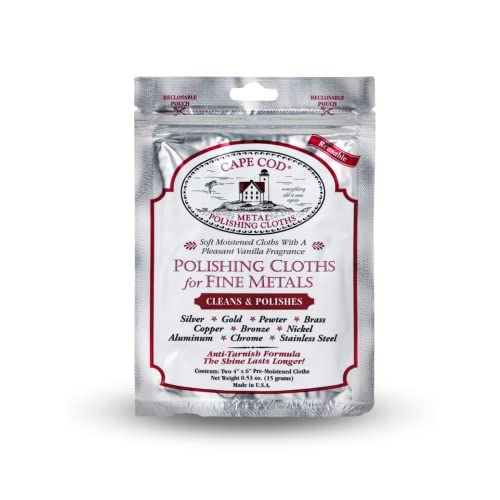
- Two ready-to-use 4 x 6-inch cloths
- Removes tarnish and adds protection
- Works on many fine metals
Best For: Portable polishing of metal bracelets
Gentle Cream Care
Rolite Midas Touch Metal Polishing Cream

- Polishes compatible gold, silver, and other metals
- Leaves a barrier to help slow tarnish
- Not for plated metals, pearls, or opals
Best For: Solid-metal bracelets needing cream-based tarnish removal
Compact Two-Sided Sticks
20-Piece Silver Polishing Stick Set

- Includes 20 double-sided polishing sticks
- White side brightens; green side addresses scratches
- Sized for jewelry, watches, and small items
Best For: Hands-on cleaning and buffing of gold or silver bracelets
Two-Step Scratch Repair
CATIFLIN 600/3000 Grit Polishing Sticks

- Combines 600-grit repair with 3000-grit finishing
- Targets tarnish, oxidation, and minor scratches
- Includes 20 sticks with no messy liquids
Best For: Metal bracelets needing controlled scratch repair and polishing
Best Rotary Tumbler – VEVOR 3kg Jewelry Polisher
For shoppers comparing jewelry polishers for bracelets, this VEVOR rotary tumbler is a strong choice for batch finishing rather than quick hand polishing. Its 3 kg polycarbonate barrel, bidirectional rotation, five speeds, and adjustable timer are designed for polishing, grinding, chamfering, and removing surface blemishes from compatible materials.
Best For: Batch polishing bracelets and other metal jewelry when you want adjustable speed and timed operation.
Pros:
- 3 kg capacity with a leak-proof polycarbonate barrel.
- Five speeds, bidirectional rotation, and a 10–60-minute timer support varied finishing needs.
- Non-slip, shock-resistant rubber base helps keep the machine stable.
Cons:
- At 8.5 pounds, it is less convenient to move than a handheld polisher.
- The tumbler format may be less suitable for highly localized, detail-oriented bracelet work.
This is the most machine-oriented option in the roundup. Choose it when repeatable batch processing and surface finishing matter more than portability.
Best Polishing Cloth – Connoisseurs Extra Large Silver Cloth
For simple bracelet maintenance, the Connoisseurs Extra Large Polishing Cloth offers a portable, dry two-step approach. The inner cloth removes dirt and applies an anti-tarnish shield, while the outer cloth buffs silver jewelry to a brighter finish without requiring a machine or liquid cleaner.
Best For: Routine at-home or on-the-go polishing of silver bracelets and other silver jewelry.
Pros:
- Large 14-by-14-inch format provides ample polishing surface.
- Two-step inner-and-outer cloth system cleans, protects, and buffs.
- Dry and portable for convenient use away from home.
Cons:
- It is intended for silver jewelry, so it is less versatile than a multi-metal polishing tool.
- Hand polishing requires direct rubbing and may take longer on heavily tarnished pieces.
This is the easiest low-mess option for maintaining silver bracelets. It suits light, regular care rather than machine-level finishing or substantial material removal.
Best Liquid Cleaner – Weiman Fine Jewelry Cleaner
Weiman Fine Jewelry Cleaner is a liquid alternative for shoppers seeking jewelry polishers for bracelets that also address dirt and product buildup. The included tray and brush support a soak-and-rinse routine for gold, platinum, titanium, and several precious gemstones, followed by buffing with a soft cloth.
Best For: Cleaning and restoring shine to compatible gold, platinum, titanium, and gemstone bracelets.
Pros:
- Includes a cleaning tray and brush for targeted cleaning.
- Suitable for gold, platinum, titanium, diamonds, sapphires, rubies, emeralds, and topaz.
- Up to a 30-minute soak helps loosen dirt and buildup.
Cons:
- Not formulated for silver jewelry.
- Should not be used on coral, ivory, amber, malachite, pearls, opals, jade, or turquoise.
This cleaner is useful when a bracelet needs more than surface buffing, provided its materials are on the compatible list. Check the bracelet’s stones and metal before soaking.
Best Cordless Detail Tool – Uolor 145-Piece Polishing Kit
For hands-on detail work, the Uolor cordless kit combines a compact rotary polisher with wool wheels, abrasive pads, and polishing compounds. Its five speeds range from 5,000 to 20,000 RPM, giving users lower-speed control for delicate bracelet work and higher speeds for broader metal finishing.
Best For: DIY users polishing metal bracelets, small jewelry parts, watches, coins, and other detailed projects.
Pros:
- 145-piece set includes 100 wool wheels, 40 abrasive pads, compounds, and a USB-C cable.
- Five variable speeds support detail polishing and faster surface finishing.
- Cordless rechargeable design improves control and portability.
Cons:
- The 20,000 RPM maximum requires careful speed selection on delicate jewelry.
- Using abrasive pads or compounds demands more technique than a simple cloth or liquid cleaner.
This is the most flexible handheld option for bracelet restoration and precision work. It is a good fit for DIY users who want multiple consumables and control over the finishing process.
Best Large Cloth – Mayflower Pro-Size Polishing Cloth
For shoppers comparing jewelry polishers for bracelets, this oversized cotton cloth offers a simple dry-cleaning routine for gold, silver, and platinum. Its two-step design uses the treated white side to clean and the gray side to buff, with no extra paste or solution required.
Best For: Cleaning larger bracelets, chains, watches, and other metal jewelry, especially when you want a reusable cloth with generous handling space.
Pros:
- Large 11 x 14-inch format provides a comfortable grip for bracelets and bigger pieces.
- Two-step white-cleaning and gray-buffing system needs no additional solution.
- Soft, non-abrasive cotton is designed for gold, silver, platinum, and hard gemstones.
- Made in the USA and reusable.
Cons:
- Should not be washed because washing removes the cleaning agents.
- Soft porous gems such as pearls and opals should not be polished with the cloth; clean only the metal.
This is a strong choice when bracelet size and easy handling matter most. Its dry, reusable format is convenient, though users need to follow the gemstone and care restrictions.
Best Complete Kit – Connoisseurs All-Purpose Jewelry Cleaning Kit
For a more comprehensive approach to jewelry polishers for bracelets, the Connoisseurs kit combines a cleaning solution, dip tray, soft-bristle brush, and two polishing cloths. It is designed to clean crevices as well as polish jewelry to a brighter finish.
Best For: Bracelet owners who want both a dip-cleaning process and separate gold and silver polishing cloths in one kit.
Pros:
- Includes ammonia-free cleaning solution, dip tray, and soft-bristle brush.
- Two cloths support separate gold and silver polishing steps.
- Formula is intended to help reduce the appearance of fine scratches and repel dirt and oil.
- Dip cleaning works quickly when used according to the label directions.
Cons:
- Requires liquid cleaning in addition to dry polishing, so it is less minimal than a cloth-only option.
- The supplied notes do not specify suitability for every gemstone or bracelet material.
This kit suits shoppers who want more than surface buffing and appreciate included tools for detailed cleaning. Check the label directions and material compatibility before using it on a particular bracelet.
Best Compact Cloths – Cape Cod Fine Metal Polishing Cloths
These compact moist cloths are a practical option among jewelry polishers for bracelets, particularly for fine-metal maintenance and tarnish removal. Wipe on and buff off to clean, polish, and leave an anti-tarnish finish without the excess residue associated with some liquids or pastes.
Best For: Polishing silver, platinum, stainless steel, and other compatible metal bracelets when portability and quick wipe-on use are priorities.
Pros:
- Pack includes two ready-to-use 4 x 6-inch cloths in resealable foil packets.
- Works with a broad range of metals, including silver, brass, copper, chrome, stainless steel, platinum, and nickel.
- Removes tarnish and adds a protective anti-tarnish finish.
- Made in the USA with a soft, non-abrasive material.
Cons:
- Smaller than the Mayflower cloth, so larger bracelets may require more careful handling.
- Has a vanilla fragrance, which may not suit shoppers seeking an unscented product.
This is a convenient pick for routine metal-bracelet touch-ups and travel-friendly storage. Its moist format and broad metal compatibility make it versatile, while the compact size favors smaller or moderately sized pieces.
Gentle Cream Care – Rolite Midas Touch Metal Polishing Cream
For shoppers comparing jewelry polishers for bracelets, Rolite Midas Touch is a cream formula designed to remove tarnish, dullness, and oxidation from compatible metals. It is especially useful for gold, silver, sterling silver, platinum, brass, copper, bronze, chrome, and nickel pieces, including detailed or engraved bracelets.
Best For: Polishing solid-metal bracelets and other jewelry when you want a cream that leaves a protective barrier to help slow tarnish from returning.
Pros:
- Designed to polish gold, silver, sterling silver, platinum, brass, copper, bronze, chrome, and nickel without scratching.
- Suitable for bracelets, chains, rings, and detailed or engraved pieces.
- Acid-free, silicone-free, odor-free, and non-toxic formula.
- Made in the USA and includes 4.5 ounces of cream.
Cons:
- Not suitable for plated metals.
- Should not be used on soft stones, pearls, opals, eyeglasses, or brushed or matte stainless steel.
- As a cream abrasive, it requires applying and buffing rather than a dry-stick process.
This is a versatile option for compatible solid-metal bracelets, particularly when tarnish prevention matters. Check the bracelet’s metal and stone settings before use, since the product has important material restrictions.
Compact Two-Sided Sticks – 20-Piece Silver Polishing Stick Set
For jewelry polishers for bracelets that offer hands-on control, this 20-piece set uses double-sided sticks for cleaning and buffing. The white side is intended to brighten surfaces, while the green 1000-mesh side can help address scratches on gold and silver jewelry.
Best For: Cleaning and brightening gold or silver bracelets, watches, and other small metal items with individually sized polishing sticks.
Pros:
- Includes 20 polishing sticks for repeated jewelry-care use.
- Double-sided design combines a brightening surface with a 1000-mesh scratch-repair surface.
- Compact sticks measure approximately 2.3 by 0.74 inches.
- Can also be used on watches and cell phones, according to the supplied product details.
Cons:
- The supplied notes do not specify suitability for plated metals, gemstones, or pearls.
- The scratch-repair side is abrasive, so careful application is appropriate on delicate bracelets.
- Provides sticks rather than a cream or liquid for broader surface coverage.
This set is a practical value choice if you prefer dry, compact tools and want separate surfaces for brightening and scratch work. Because material limitations are not fully detailed, test an inconspicuous area first.
Two-Step Scratch Repair – CATIFLIN 600/3000 Grit Polishing Sticks
Among jewelry polishers for bracelets, the CATIFLIN set stands out for its defined two-step process. Use the 600-grit green side to work on stubborn tarnish, oxidation, and minor scratches, then use the 3000-grit white side to buff compatible metal to a brighter finish.
Best For: Gold, sterling silver, platinum, brass, and similar metal bracelets that need targeted tarnish cleaning, minor scratch correction, and final brightening without messy liquids.
Pros:
- Provides 600-grit and 3000-grit surfaces for repair and finishing.
- Handheld rods offer control in tight crevices traditional polishing cloths may not reach.
- Includes 20 sticks measuring 3.54 inches each.
- Designed to leave a protective layer that helps slow re-oxidation.
Cons:
- Do not use the green side on gold-plated jewelry or soft gems such as pearls and opals.
- The sticks should not be washed because water can ruin the active cleaning agents.
- Testing on a small, inconspicuous area is recommended before full application.
This is a strong fit for bracelet owners who want more control than a liquid polish provides, especially when minor scratches and tarnish are both concerns. Follow the two-step sequence and the material cautions for safer results.
How We Picked the Best Jewelry Polishers for Bracelets
We focused on products suited to common bracelet-cleaning tasks: removing light tarnish, restoring shine, buffing metal, and handling more involved polishing work. The selection includes cloths, liquid cleaners, creams, polishing sticks, buffing-wheel kits, and a rotary tumbler so shoppers can choose between convenience and control.
We also considered material compatibility, ease of use, surface coverage, portability, included accessories, and the risk of over-polishing. Always check the manufacturer’s instructions before using any product on plated jewelry, soft metals, porous stones, pearls, or pieces with loose settings.
Quick Comparison
| Type | Best For | Control Level | Typical Use |
|---|---|---|---|
| Polishing cloth | Routine shine and light tarnish | High | Quick hand polishing |
| Liquid cleaner or kit | General cleaning and brightening | Medium | Soak, brush, rinse, or wipe |
| Polishing cream | Targeted metal polishing | High | Apply sparingly and buff |
| Polishing sticks | Edges, details, and localized marks | Very high | Spot treatment |
| Buffing-wheel kit | Frequent or detailed workshop use | Medium to high | Powered polishing |
| Rotary tumbler | Multiple durable metal pieces | Lower | Batch finishing with media |
Key Buying Factors for Jewelry Polishers for Bracelets
Match the Method to the Metal
Silver usually benefits from a dedicated tarnish-removing cloth or polishing product. Gold and platinum may need gentler treatment, especially when polished and brushed finishes are present. Avoid abrasive products on plated surfaces unless they are specifically approved.
Protect Gemstones and Settings
Cleaning products designed for fine jewelry are generally more appropriate for pieces with diamonds or durable gemstones, but bracelets with pearls, opals, turquoise, glued stones, or delicate settings require extra caution. Keep abrasive compounds away from stones and test an inconspicuous area first.
Consider Bracelet Shape and Detail
Large cloths work well on chains, bangles, and broad surfaces. Narrow polishing sticks or small buffing wheels are better for links, grooves, clasps, and hard-to-reach details. A tumbler is best reserved for compatible, durable pieces rather than fragile or ornate bracelets.
Balance Speed with Control
Hand polishing offers the most control and is usually the safest starting point. Powered tools can save time but may generate heat, remove excess material, or round crisp edges if used aggressively. Use low speed, light pressure, and short passes.
Who Should Buy Which Jewelry Polishers for Bracelets?
Choose a polishing cloth if you want the simplest option for routine maintenance and light tarnish. A jewelry cleaning kit or liquid cleaner suits households with mixed fine jewelry and a preference for an all-in-one process. Select polishing cream for targeted metal work, and polishing sticks for small scratches, edges, or detailed areas.
A cordless buffing kit is better for experienced users who regularly restore multiple pieces and want interchangeable accessories. A rotary tumbler makes sense for batch work involving compatible, durable metal items, but it requires careful media selection and is not the safest default for delicate bracelets. When in doubt, begin with the least abrasive option and consult a professional jeweler for valuable, antique, plated, or structurally damaged pieces.